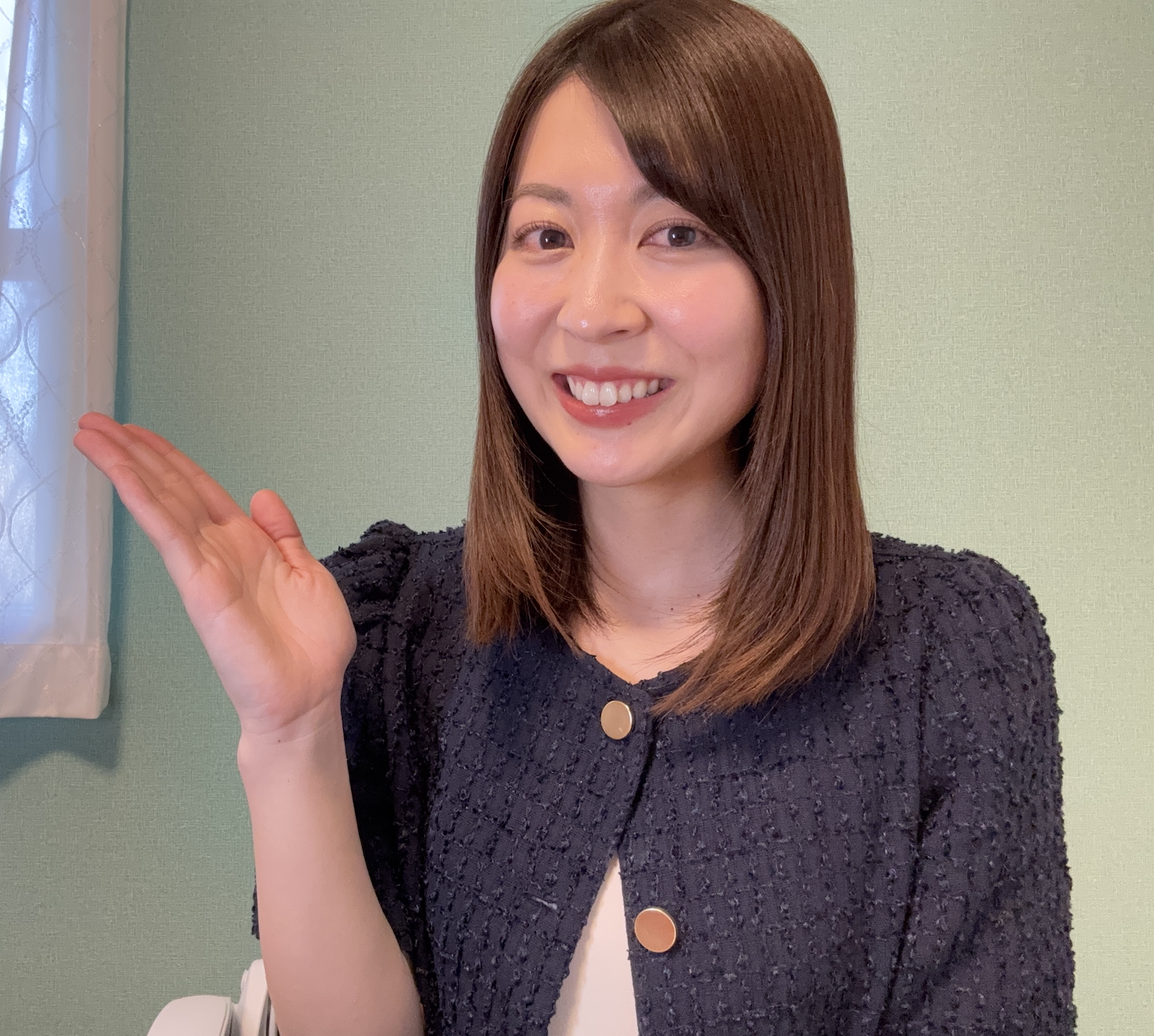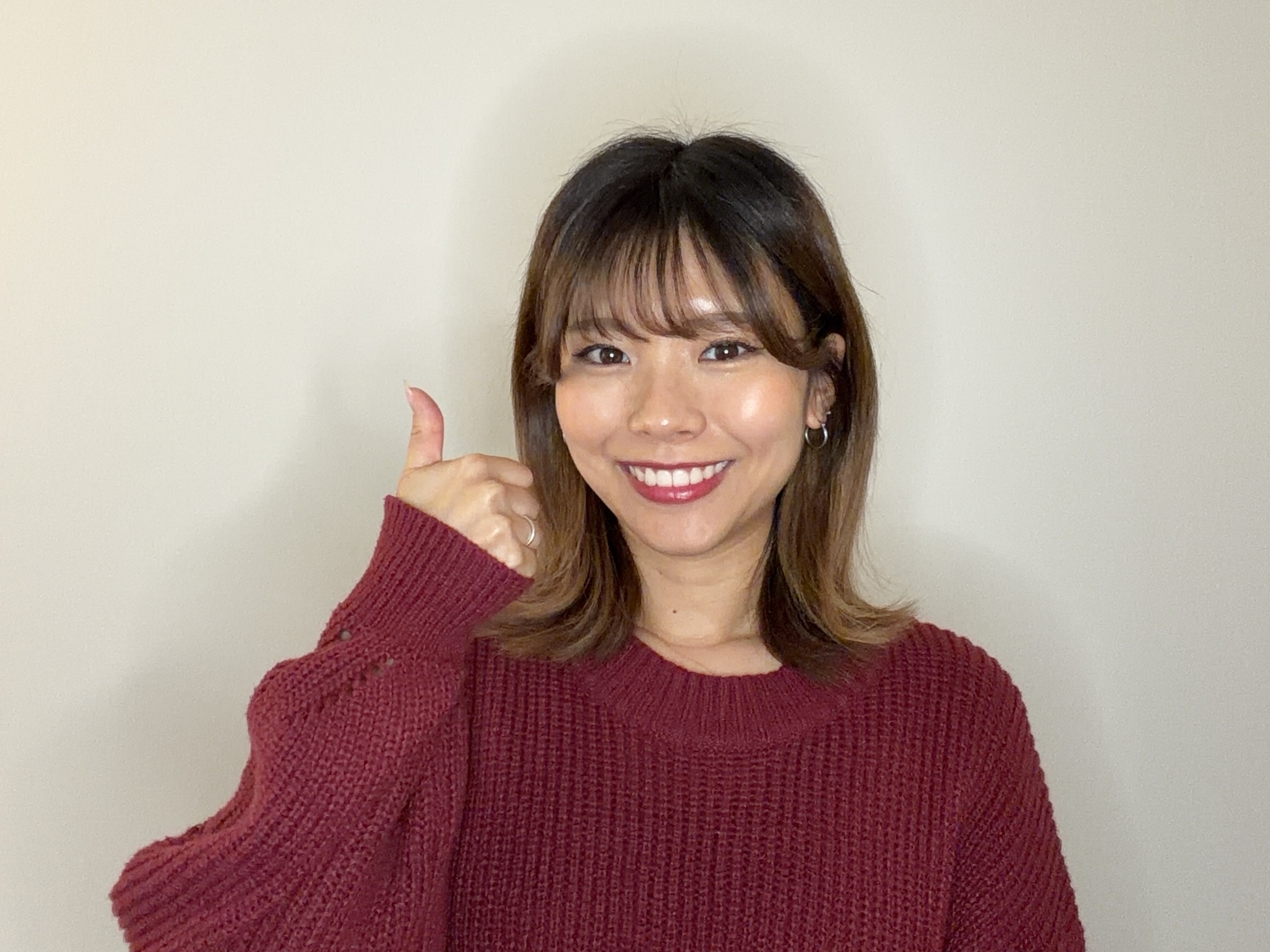
Mao grew up in Nagano, Japan, lived in Tokyo for years, and is now in her fourth year living in Toronto, Canada. She has taught Japanese online since late October 2025, mostly to English-speaking adults, and recently started sharing Japanese words and phrases in Instagram Reels.
Her students learn for all kinds of reasons: anime, a trip to Japan, friends or family there, or university classes in Japan. Many start from zero, before they can read hiragana, and she teaches children too. She sat down with Pensight CEO Yuki to look back on her first year, which she breaks into four stages.
Why she started teaching Japanese
Living abroad changed how Mao saw her own language. “Things that felt completely ordinary in Japan, the words, the attention to detail, looked so beautiful from the outside,” she says.
She also wanted work that wasn’t tied to a time or place. After moving to Canada, she tried several kinds of online work, but none of them felt right. Then she found online Japanese teaching. “I could connect with students around the world, at my own pace, using both Japanese and English, from home,” she says. “I thought, there’s no better job than this.” It was the one place where what she loved and how she wanted to work overlapped.
Stage one: almost no students
Mao’s first months were slow. One student, then two, then three. Income was hard to come by, and she kept asking herself what to do. She was still working at a café at the time, and she focused on making every lesson feel valuable to the few students she had.
Stage two: no time left
When she reached seven or eight students, a new problem appeared. Her students’ levels were all over the place, and she was making custom materials for each one in every spare hour between her café job and her lessons. “No matter how much time I had, it was never enough,” she says.
That was when she found Shion on Instagram and joined Kotomusubi, Shion’s coaching course for online Japanese teachers. She got advice on her profile, and, most important, a textbook she could build on. “I didn’t have to make everything from zero anymore,” she says. “I only had to add my own extras.” The time she saved went to new students, and her numbers kept growing.
Stage three: every hour full
By the time she had 16 or 17 students, Mao had quit her café job to teach full time. Her free time disappeared. At her peak she taught 27 students, with nine to eleven lessons a day. “Some days I didn’t even have time to eat lunch,” she says.
She doesn’t regret it. Those months were when she built relationships with each student, negotiated prices and prepared materials, using every hour she had. “Because I used every bit of time I could then,” she says, “I have time for myself now.”
Push as hard as you can, once. The life where you choose your own schedule is waiting on the other side.
Stage four: a life with on and off
Today Mao teaches about 16 students. Compared with her peak, she has her own time back and can switch clearly between work and rest. She is using that time to grow on Instagram, and to plan what comes next with the help of her Kotomusubi coach.

Lessons built for one person
Why do her students stay? Mao thinks it’s because each one feels the lesson was made for them. She often builds materials from scratch around a student’s interests and goals, and explains what beginners don’t understand in English, so students say she’s easy to ask questions and easy to follow. Living abroad in English herself, she also knows how it feels to be the learner.
Her lessons center on output. Every lesson starts with free talk. For students who like keeping a journal, she corrects their writing and shows them more natural phrases that Japanese people actually use. Her original materials include reading on Japanese shops and culture, quizzes for younger students, and her most popular activity: mission games set in real places in Japan.
For students who started on their own and couldn’t keep going, she adds structure. Homework between lessons and a monthly look back at what they can now do, and what to try next, help them find a steady pace. And the students who do their homework, and then some, improve fastest. “They keep my motivation up too,” she says.
How Pensight helps
What Mao wanted most was a place to build stable relationships. “Not everything inside a marketplace,” she says, “but connecting with students directly, so we can both keep going with peace of mind.” On Pensight, she has her own page and designs her own prices and plans, which makes it easier to show who she is as a teacher.
Two things help her most: she can create plans based on how many lessons a student takes and how often, and she can suggest plans that fit each student’s lifestyle. She is also part of a test for features that improve lesson prep and review. “Seeing what teachers say actually make it into the service makes me really happy,” she says.
What’s next
Mao has two goals on Instagram: to share Japanese as entertainment for people studying on their own, and to reach new students who want lessons with her. Beyond that, she wants to organize the materials she has built into proper levels, so she can try group lessons and create a space where her students connect with each other.
The best part of the work, she says, hasn’t changed. “A student who couldn’t read hiragana is suddenly having a conversation in Japanese, or explaining themselves in Japanese,” she says. “I get to watch that change from right beside them.”
Find Mao
- Book a lesson with Mao on Pensight: pensight.com/x/kotomusubi_mao
- Get a page like Mao here: https://pensight.com/?refCode=kotomusubi_mao
Frequently asked questions
Who is Mao?
Mao is an online Japanese teacher from Nagano, Japan, who lives in Toronto, Canada. She has taught since late October 2025, mostly English-speaking adults and some children, and now teaches about 16 students after peaking at 27 in her first year.
What does the first year of teaching Japanese online look like?
Mao describes four stages: struggling with almost no students, running out of time at seven or eight students, being fully booked with up to 27 students, and finally settling into a balance with time for herself.
How do new teachers save time on lesson materials?
Making custom materials for every student was Mao’s biggest time drain. Joining Kotomusubi, which gave her a textbook to build on, meant she no longer had to start from zero, and only needed to add her own extras.
How many lessons a day can an online Japanese teacher teach?
At her busiest, Mao taught nine to eleven lessons a day, sometimes with no time for lunch. She sees that period as what built her relationships with students and made her current balance possible.
What is a mission game in a Japanese lesson?
It’s Mao’s most popular activity: a role-play set in a real place in Japan, like a convenience store or a restaurant. Students practice what they would actually say, such as asking for an item or ordering a dish.
Why do language teachers want their own page instead of only a marketplace?
For Mao, it’s about building stable, direct relationships with students. On Pensight, she designs her own prices and plans, including plans based on lesson count and frequency, and suggests options that fit each student’s lifestyle.
Watch the full conversation between Mao and Yuki on the Pensight podcast.